
Men in Australia live about four years less than women, and many of the biggest risks are things a workplace can help with: heart health, stress, sleep, alcohol and whether blokes put their hand up when something feels off. So when you book a men's health workshop for your Sydney team, the presenter you choose matters a lot more than the slot on the calendar.
The trouble is that most speaker directories just list names. This guide compares five men's health presenters and programs available to Sydney workplaces by topic fit, credentials, delivery style and how easy they are to book, so you can match the right session to your people.
Disclosure: this guide is written by me&my wellness, which is one of the options listed. Details about other presenters come from their public speaker profiles and websites, and we'd encourage you to contact each one directly.
Quick guide: 5 men's health workshop options for Sydney workplaces
- me&my wellness (Anthony Hartcher): best for practical, whole-of-health workshops covering energy, sleep, nutrition, stress and help-seeking in one session
- Dr Zac Seidler: best for research-led keynotes on men's mental health, loneliness and psychological safety
- Hunter Johnson: best for lived-experience storytelling on modern masculinity and emotional courage
- Stephen Carroll: best for broad men's health education covering physical health, relationships and wellbeing at work
- Black Dog Institute workplace training: best for structured, psychologist-led mental health training for managers and staff
How we compared men's health presenters
A men's health session only works if the men in the room engage with it. These are the criteria we used, and the ones we'd suggest you use too:
- Topic fit: Does the presenter cover the issues your team actually faces, such as heart health, energy, sleep, stress, alcohol and mental health?
- Credentials: Is the content grounded in clinical training, research or recognised expertise?
- Delivery style: Will it land with a mixed audience, including men who'd normally avoid a "wellbeing" session?
- Practical takeaways: Will people leave with something they can do this week, not just a feeling?
- Format and booking: Can you book a 60-minute workshop for a site team, or is it keynote-only through a bureau?
The 5 men's health workshop options in Sydney
1. me&my wellness (Anthony Hartcher): Best for practical, whole-of-health men's workshops
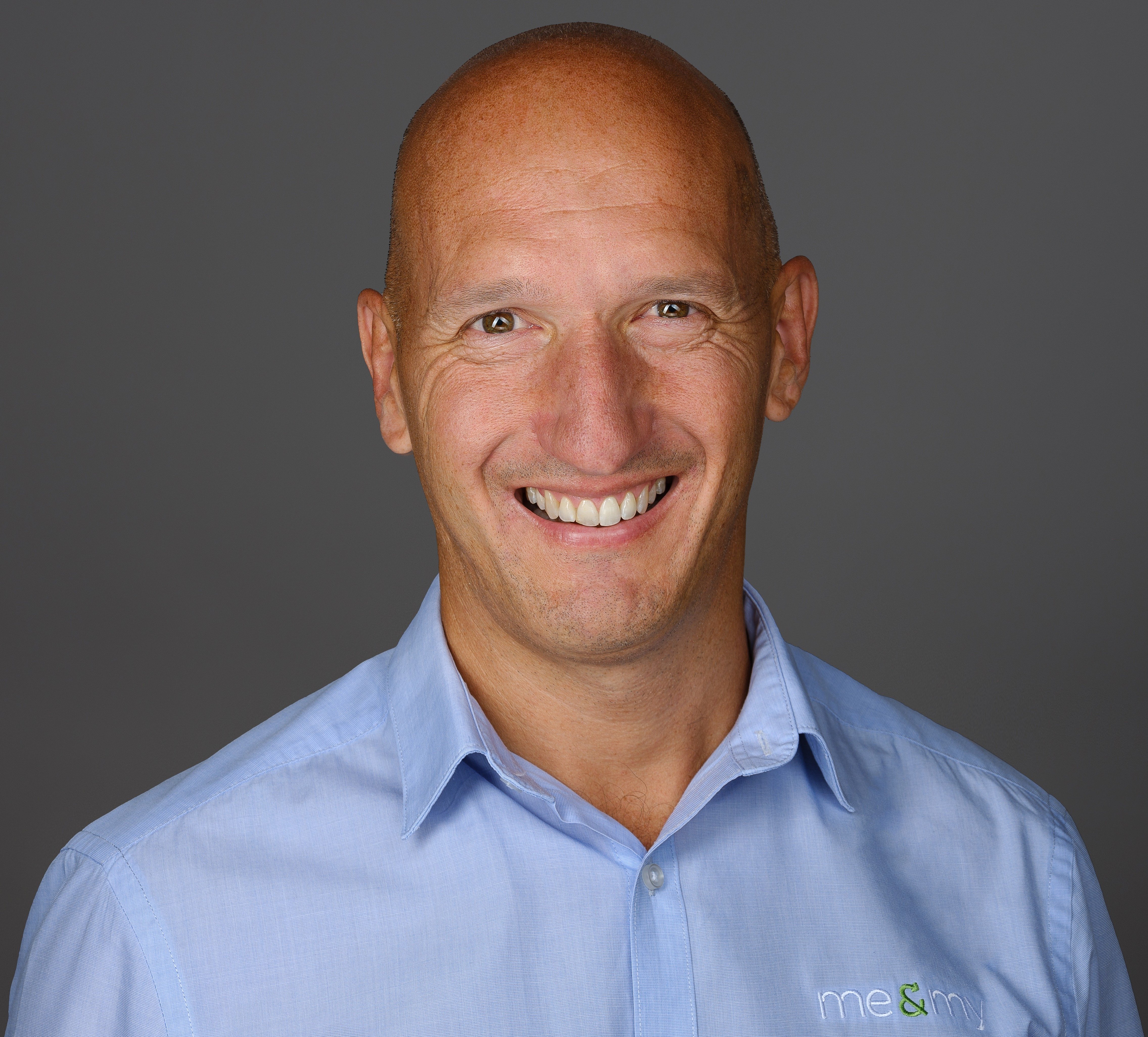
Anthony Hartcher is a Randwick-based clinical nutritionist, lifestyle medicine practitioner and science educator. Before moving into health he spent years as a chemical engineer in the mining services industry, so he understands workplaces where long hours, shift work and "she'll be right" are part of the culture.
His men's health workshops treat health as one connected system. Instead of a talk only about mental health, or only about diet, sessions link the physical and the mental: how sleep, blood sugar, alcohol and stress affect energy, mood and heart health, and why small daily habits make the biggest difference. Every session finishes with practical next steps and a clear message about when and where to get help, including your EAP and GP.
Anthony also runs nutrition education for surf life saving competition teams at Coogee, and he's an active surf lifesaver himself, which helps him talk to men in a language they recognise.
What the me&my wellness men's health workshop covers
- Energy and heart health: what drives the afternoon slump, and the everyday habits that protect the heart.
- Sleep and recovery: why sleep is a performance tool, not a luxury.
- Food and alcohol: practical swaps that work around busy schedules, without lecturing.
- Stress and mental health: recognising early warning signs in yourself and your mates, and how to start the conversation.
- Help-seeking: normalising check-ups and support, with clear pathways to your EAP.
me&my wellness pros and cons
Pros:
- Covers physical and mental health together, so you don't need to book separate speakers.
- Formal qualifications in nutrition and dietetic medicine, complementary medicine and chemical engineering.
- Flexible formats, from a 30-minute talk to a 2-hour workshop or an ongoing program, in person across Sydney or online.
Cons:
- A boutique, Sydney-based practice, so popular dates (Men's Health Week in June and Movember in November) book out early.
- Focuses on prevention and education rather than clinical counselling, so it works alongside your EAP rather than replacing it.
- Best suited to workplaces that want practical habit change rather than a celebrity name.
2. Dr Zac Seidler: Best for research-led men's mental health keynotes
Dr Zac Seidler is a clinical psychologist and Associate Professor with Orygen at the University of Melbourne, and Movember's Global Director of Men's Health Research. According to his speaker profile, he has published more than 100 peer-reviewed articles and two books on men's mental health, and advises governments on mental health policy.
His speaking topics include men's mental health, loneliness and social connection, workplace pressure and psychological safety, and supporting men in crisis. He's available for keynotes, workshops and panels through a speaker bureau.
Dr Zac Seidler pros and cons
Pros:
- One of Australia's most recognised voices in men's mental health research.
- Strong fit for leadership audiences and conferences focused on psychological safety.
- Regular media presence adds profile to an event.
Cons:
- Focus is mental health, so physical health topics such as nutrition, sleep and heart health are not the core of the offering.
- Booked through a bureau, with availability shaped by research and media commitments.
- Melbourne university affiliation, so check in-person availability for Sydney sites.
3. Hunter Johnson: Best for lived-experience stories on modern masculinity
Hunter Johnson is co-founder of The Man Cave, a mental health charity working with boys and young men. His speaker profile lists recognition including Forbes 30 Under 30 Asia and EY Social Entrepreneur of the Year (Southern Region).
His talks cover supporting men through a new era of masculinity, emotional courage ("courage over comfort") and resilience, drawing on his work with young men and his own experience.
Hunter Johnson pros and cons
Pros:
- Engaging storyteller who connects with men who'd usually switch off.
- Strong on culture, masculinity and emotional openness.
- Good fit for keynotes and all-staff events.
Cons:
- Not a clinician, so sessions focus on culture and mindset rather than health education.
- Physical health topics are outside his core offering.
- Booked exclusively through a speaker bureau.
4. Stephen Carroll: Best for broad men's health education
Stephen Carroll is the author of a men's health guide and speaks on men's health, relationships, gender equity, physical and mental health, depression, and how wellbeing affects men personally and at work.
He offers workshops, keynotes and training seminars, as well as conference and after-dinner talks.
Stephen Carroll pros and cons
Pros:
- Covers a wide range of men's health topics, both physical and mental.
- Offers workshop and training formats, not just keynotes.
- Comfortable with conference and after-dinner settings.
Cons:
- His public profile gives limited detail on clinical or nutrition qualifications.
- Less visible information about ongoing programs or follow-up.
- Location isn't stated, so confirm Sydney availability.
5. Black Dog Institute workplace training: Best for structured mental health training
The Black Dog Institute delivers workplace mental health training led by psychologists. In NSW, its programs are funded through SafeWork NSW and are free for eligible workplaces (privately owned businesses with fewer than 200 employees, and not-for-profits). Programs include a 1-hour session for leaders, a 3-hour workshop for managers and a 2-hour workshop for employees.
Black Dog Institute pros and cons
Pros:
- Psychologist-led and backed by a respected research institute.
- Free for many smaller NSW workplaces.
- Clear structure for managers and staff.
Cons:
- General workplace mental health training rather than a men's health workshop specifically.
- Doesn't cover physical health topics such as nutrition, sleep or heart health.
- Larger organisations may not be eligible for the free program.
Comparison table: men's health workshop options in Sydney
| Option | Physical and mental health | Workshop format | Clinical or health qualifications | Book direct |
|---|---|---|---|---|
| me&my wellness | ✓ | ✓ | ✓ | ✓ |
| Dr Zac Seidler | Mental health focus | ✓ | ✓ | Via bureau |
| Hunter Johnson | Mental health focus | Keynote focus | ✗ | Via bureau |
| Stephen Carroll | ✓ | ✓ | Not stated | Via bureau |
| Black Dog Institute | Mental health focus | ✓ | ✓ | ✓ |
What should a men's health workshop cover?
Start with what affects men most. According to the Australian Institute of Health and Welfare, males born in 2022 can expect to live 81.2 years, 4.1 years less than females. Cancer, cardiovascular disease, mental health conditions and substance use, and injuries are the leading causes of ill health and death, and suicide and self-inflicted injury is the leading cause of burden for men aged 15 to 44.
That's why the strongest workshops cover the body and the mind together. A good session should help men:
- understand the everyday habits that drive energy, heart health and long-term health
- notice early signs of stress, low mood or burnout in themselves and their mates
- feel comfortable getting a check-up or reaching out for support
- leave with one or two small actions they'll actually do
How do you choose the right presenter for your team?
Think about your audience first. A site or field team often responds best to a practical, down-to-earth presenter who talks about energy, sleep and food before moving to mental health. A leadership group may get more from a research-led keynote on psychological safety.
Then think about timing and format. Men's Health Week (June) and Movember (November) are the busiest periods, so book a month or more ahead. A 60-minute workshop usually suits a toolbox talk, lunch and learn or team meeting, while a 30 to 45-minute keynote suits a conference or town hall.
Finally, ask what happens after the session. Take-home resources, a follow-up session or a clear link to your EAP all help the message stick.
Why me&my wellness for men's health workshops in Sydney
Men rarely have just one health issue. Poor sleep affects mood. Stress affects food choices. Alcohol affects sleep and energy. Anthony Hartcher's workshops connect those dots in plain language, so men leave understanding why they feel the way they do and what to change first.
Sessions are delivered in person across Sydney or online, and can be tailored for Men's Health Week, Movember, toolbox talks or leadership days. If you're planning a men's health session for your team, book a free scoping call and we'll recommend the right format for your people.
Men's health sessions sit alongside our workplace mental health workshops and wider corporate wellness programs, so you can build them into a bigger wellbeing plan.
FAQs about men's health workshops in Sydney
What is a men's health workshop?
A men's health workshop is a facilitated workplace session that helps men understand and look after their physical and mental health. Good workshops cover topics like energy, heart health, sleep, nutrition, alcohol, stress and when to seek help, and leave participants with practical next steps.
How long should a men's health workshop be?
Most workplace men's health workshops run for 45 to 60 minutes, which fits a toolbox talk, team meeting or lunch and learn. Keynotes for conferences usually run 30 to 45 minutes, and deeper workshops can run up to 2 hours.
When is the best time to run a men's health session?
Men's Health Week in June and Movember in November are the most popular times, but a session at any time of year works well, especially before busy periods or after a tough quarter.
Can men's health workshops be delivered online?
Yes. me&my wellness delivers in person across Sydney and online for teams anywhere in Australia, including hybrid groups and shift workers.
Does a men's health workshop replace our EAP?
No. A workshop is preventive and educational. It works alongside your Employee Assistance Program, and a good presenter will point people to your EAP or their GP for individual support.