
What hypnotherapy and subconscious work involve, what the evidence actually says, and how they can fit alongside proven trauma care.
Healing is not just about treating symptoms. Many of the patterns that keep us stuck, from anxiety and tension to the same emotional reactions on repeat, run below conscious awareness. They are shaped by past experiences, including painful ones, and they can quietly influence how we feel, decide and even how our body responds to stress.
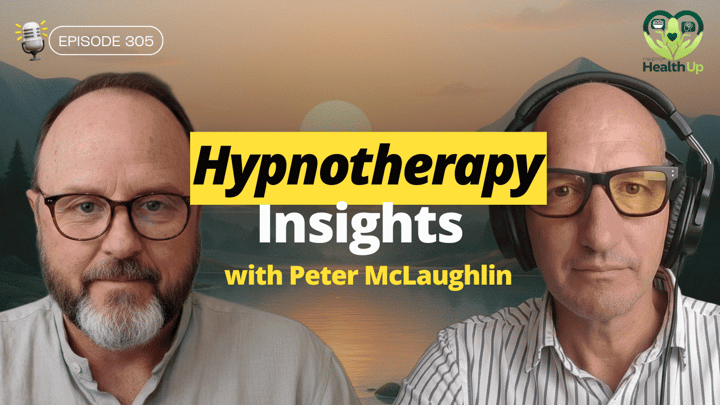
In this episode of me&my health up, I spoke with certified hypnotherapist and life coach Peter McLaughlin about how hypnotherapy, Havening and related techniques aim to work with those deeper layers of the mind. Below, I expand on the conversation and add a practitioner's view of where these approaches fit, where the evidence is strong, and where it is still thin.
Watch the full podcast episode here:
How past experiences shape the present

Much of what we do each day runs on habit and automatic processing rather than deliberate thought. That is efficient, but it also means old learning can keep running long after it stopped being useful. After a frightening or overwhelming experience, the nervous system can stay on alert, and certain sights, sounds or situations can trigger the same reaction years later.
This can show up as anxiety, irritability, poor sleep, low mood or physical symptoms such as gut upset and muscle tension. Recognising that these reactions have a history, and are not a personal failing, is often the first step. I explore this idea further in Understanding Your Symptoms: A Pathway to Healing and Self-Discovery.
What hypnotherapy is, and what the evidence says
Hypnotherapy uses guided relaxation and focused attention to reach a calm, absorbed state. In that state, people are often more open to new perspectives and suggestions, which a practitioner uses to help reframe unhelpful beliefs and responses. You remain aware and in control throughout. It is not mind control, and it is not the stage show version.
The evidence is strongest for some specific uses. Gut-directed hypnotherapy, for example, has good research support for irritable bowel syndrome, and hypnosis is used in pain management and to reduce procedural anxiety. For trauma and post-traumatic stress, the picture is different. Australian guidelines recommend trauma-focused psychological therapies, such as trauma-focused CBT and EMDR, as first-line treatment. Hypnotherapy may be useful alongside that care for some people, but it should not replace it.
Havening: a newer, gentle technique

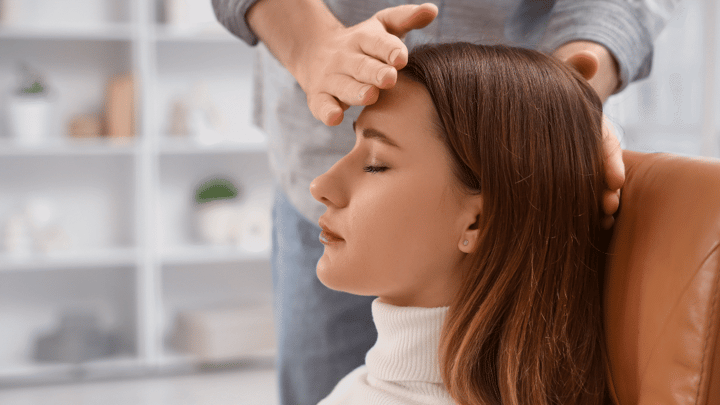
Havening is a psychosensory technique that pairs gentle, soothing touch on the arms, hands and face with recalling a distressing memory. The aim is to calm the body's stress response while the memory is brought to mind, so it carries less emotional charge afterwards. Many people describe it as deeply calming.
Research on Havening is still early. Small studies report reductions in distress and anxiety, but larger, well-controlled trials are needed before firm conclusions can be drawn. I see it as a promising, low-risk tool to explore with a qualified practitioner, rather than an established treatment.
Muscle testing and pendulum work

Peter also uses muscle testing (applied kinesiology) and pendulum work in his sessions as ways of prompting reflection and conversation about what might be holding someone back. It is important to be clear that these are not diagnostic tools. When they have been tested scientifically, they have not performed better than chance at identifying physical or emotional problems. If they help you reflect, that is fine, but decisions about your health should rest on proper assessment.
Peter's story
Peter came to hypnotherapy after a serious leukaemia diagnosis. Alongside his medical treatment, he began exploring the emotional side of his illness, including old patterns and beliefs he felt were affecting his stress levels and outlook. Working through these with hypnotherapy and Havening became part of how he coped and rebuilt his sense of wellbeing, and it led him to train as a practitioner himself.
Stories like Peter's are a reminder that healing has emotional and physical sides, and that looking after the mind can be part of looking after the body. They are personal experiences rather than proof that a technique works for everyone.
Practical steps to begin
Notice your patterns. Write down recurring reactions, triggers and physical symptoms. Patterns are easier to work with once you can see them.
Start with the right support. If you are dealing with trauma or post-traumatic stress, speak with your GP about a referral to a psychologist trained in trauma-focused therapy. Complementary approaches can then sit alongside that care.
Check credentials. If you explore hypnotherapy, choose a practitioner with recognised training who is open about what they can and cannot help with.
Look after the basics. Sleep, movement, nutrition and connection all affect how well the nervous system recovers from stress. See Burnout Is a Signal: Reconnecting With Your True Self for more on this.
Be patient with yourself. Healing is rarely linear. Feeling Stuck? How to Honour the In-Between looks at the slower stretches of change.
If shame is part of what you are carrying, you may also find Healing Sexual Shame helpful.
Conclusion
Hypnotherapy and techniques like Havening aim to work with the parts of the mind that run below awareness, and many people find them calming and helpful. The evidence is strongest for specific uses such as IBS and pain, and still emerging for trauma. Used thoughtfully, alongside proven trauma care and solid lifestyle foundations, they can be one part of a broader path to feeling better.
If you are in distress or need to talk to someone now, contact Lifeline on 13 11 14. This article is general information and not a substitute for personal medical or psychological advice.
Support from me&my wellness
At me&my wellness, I take a whole-person approach that brings together nutrition, stress management, sleep and mindset, and I work alongside your GP and other health professionals where needed. You can learn more about my personal wellbeing programs, or book a free 15-minute clarity call to talk through what you need.