-1.png?width=1280&height=720&name=Ep.%20297%20-%20Find%20Emotional%20Balance%20(YouTube)-1.png)
In a world that constantly demands more of our time, energy, and attention, it’s easy to feel emotionally stretched thin. Stress builds, reactions intensify, and before we know it, we’re operating on autopilot—responding instead of reflecting. While we often prioritize physical health, our emotional health is just as essential to how we think, decide, and connect with others.
Discover how to train your emotional fitness to achieve mental well-being and balance in your daily life.
Watch the full podcast episode here:
Understanding Emotional Fitness: The Basics

Emotional fitness, much like physical fitness, involves regular training and maintenance. While physical fitness focuses on strengthening the body through exercise, emotional fitness aims to regulate and balance our emotions. Think of it as a gym for your mind and spirit, where activities and practices are designed to enhance emotional resilience and stability.
Emotional fitness includes a range of techniques, from mindfulness and meditation to cognitive exercises that help us see the world more clearly. By improving our emotional fitness, we can better manage stress, enhance our relationships, and achieve a more balanced and fulfilling life.
Practical Approaches to Regulating Emotions
One of the most effective ways to improve emotional fitness is through practical approaches to regulating emotions. Techniques such as deep breathing, progressive muscle relaxation, and journaling can help calm the nervous system and provide a clearer perspective on challenging situations.
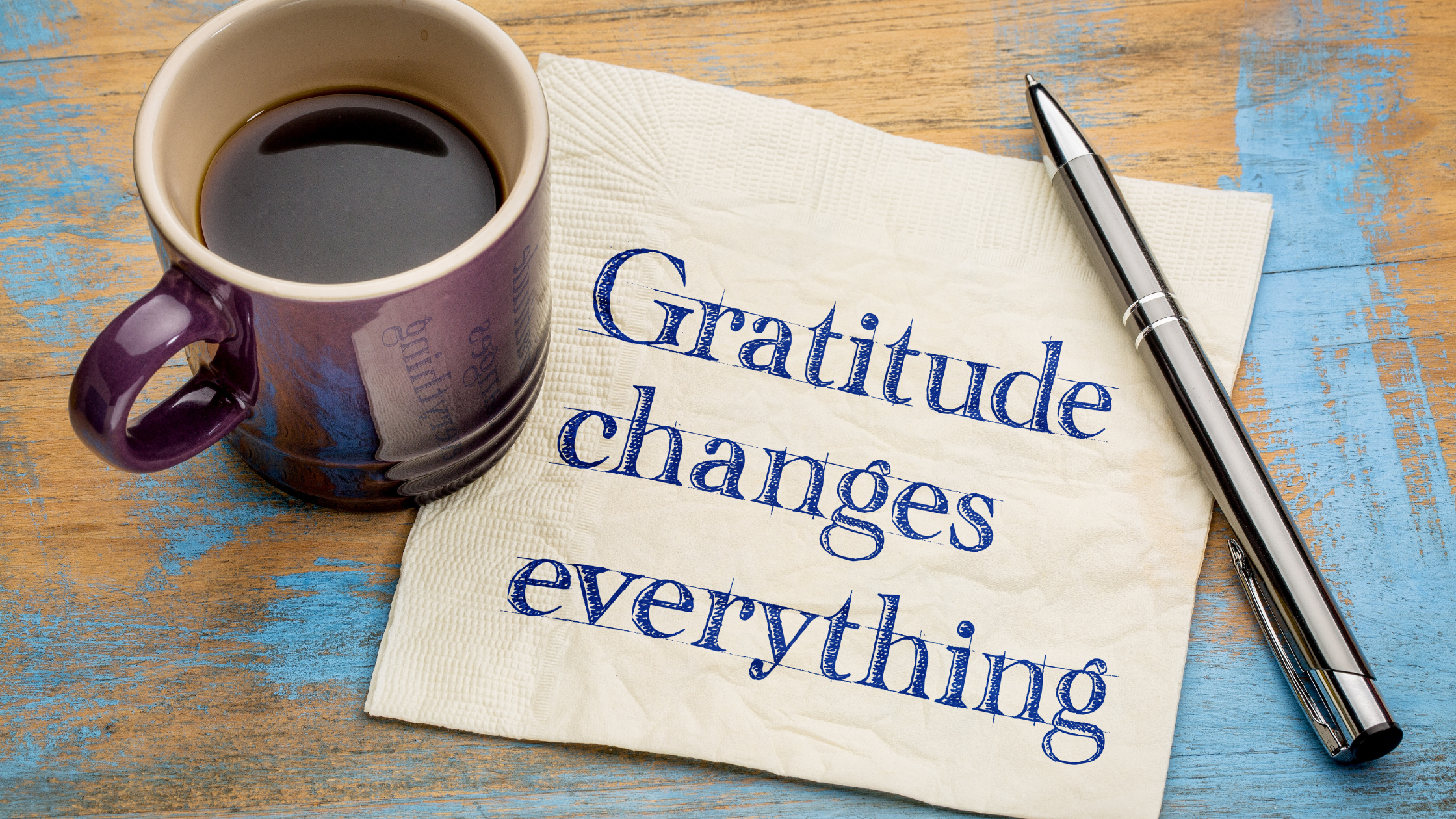
Cognitive-behavioral techniques, such as reframing negative thoughts and practicing gratitude, are also powerful tools. These methods help shift our focus from what's wrong to what's right, fostering a more balanced emotional state. Regular practice of these techniques can lead to long-term improvements in emotional regulation and overall mental health.
The Role of Mindfulness in Emotional Fitness

Mindfulness plays a crucial role in emotional fitness. It involves paying attention to the present moment without judgment, which can help us become more aware of our thoughts and feelings. By practicing mindfulness, we can learn to observe our emotions without getting swept away by them.
Mindfulness activities, such as meditation, yoga, and mindful walking, can calm the nervous system and promote emotional balance. These practices help us respond to stressors with greater clarity and composure, rather than reacting impulsively. Incorporating mindfulness into our daily routine can significantly enhance our emotional fitness.
Seeing the Complete Picture: Balancing Positives and Negatives

Emotional fitness also involves seeing the complete picture in various emotional states. Our perception of reality is often polarized, with a tendency to focus more on negatives or positives. This skewed view can lead to emotional instability, as we swing between extreme highs and lows.
To achieve emotional balance, it's important to look for what's missing and ask questions that help us see both sides of a situation. For instance, if we're feeling down, we can ask ourselves what positives we're overlooking, and vice versa. By striving for a more balanced perspective, we can better regulate our emotions and make more informed decisions.
Integrating Emotional Fitness into Your Daily Routine

Integrating emotional fitness into your daily routine doesn't require a complete lifestyle overhaul. Simple, consistent practices can make a significant difference. Start by setting aside a few minutes each day for mindfulness or meditation. Engage in activities that promote emotional regulation, such as journaling or deep breathing exercises.
Additionally, practice gratitude by acknowledging the positives in your life and reframing negative thoughts. Regularly reflect on your emotional state and seek to balance your perception by considering both the positives and negatives of any situation. These small, daily habits can build a strong foundation for emotional fitness.
Achieving Better Mental Health through Emotional Fitness
Achieving better mental health through emotional fitness is a journey that requires commitment and consistency. By focusing on emotional regulation, mindfulness, and balanced perception, we can enhance our emotional resilience and stability. This, in turn, leads to improved relationships, reduced stress, and a greater sense of well-being.
Remember, emotional fitness is not a destination but a continuous process. Just as we maintain our physical health through regular exercise, we must also nurture our emotional health through ongoing practice. With dedication and effort, we can master emotional fitness and enjoy a more balanced, fulfilling life.
Conclusion: Training for a Balanced, Resilient Life
Emotional fitness is more than a self-help concept—it’s a lifelong practice of strengthening your inner world. Just as physical training builds muscle and endurance, emotional training builds awareness, resilience, and balance. When you commit to regulating your emotions, calming your nervous system, and seeing the full picture rather than reacting to extremes, you create clarity in both thought and action.
The key is consistency. Small, daily practices—mindfulness, reframing thoughts, asking better questions, and reflecting on both positives and negatives—gradually rewire how you experience the world. Over time, emotional swings become steadier, decisions become wiser, and relationships become healthier.
Most importantly, emotional fitness invites self-compassion. It encourages you to embrace every part of yourself—the strengths and the struggles alike—so you can respond to life with intention instead of impulse.
By investing in your emotional gym each day, you’re not just improving your mood—you’re transforming how you think, connect, and live.
Embrace a Holistic Approach with me&my wellness
At me&my wellness, we advocate for a holistic approach to health that harmonises mind, body, and spirit. Our holistic health coaching aims to address challenges, promoting healing on emotional and physical levels. We provide personalised strategies such as stress management, emotional healing, and guidance in balanced nutrition and lifestyle adjustments.
By focusing on a comprehensive approach, we empower you to reclaim your health and well being. Ready to transform your wellness journey? Book a 15-minute FREE consultation with us today and take the first step towards a healthier, more balanced life.
.png?width=600&name=Enhance%20Focus%20-%20Visual%20Tracking%20Exercises%20blog%20feature%20image%20(600%20x%20300%20px).png)