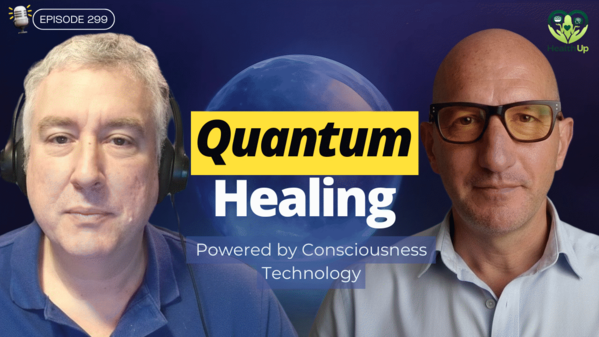

Imagine waiting seven months to speak to a specialist while your daughter is paralysed down one side of her body. That is where Dr Clint Phillips found himself, and it changed how he thinks about health care. On the Health Up podcast he shared what he learned: the answer is often simpler, cheaper and closer to home than we expect.
Dr Clint is a retired chiropractor from South Africa who moved to the US to play rugby and ended up building health businesses. Here are the ideas from our conversation that stayed with me.
From Aspen clinic to a second opinion for millions
Dr Clint opened a clinic in Aspen, Colorado, focused on helping people avoid back surgery through strengthening. His doctorate was on back pain and strengthening, and he describes spending hours a day getting people from eight out of ten pain back to activities they thought were gone.
Then his third child was born, and she had a stroke after a vaccination. The family was told she would never walk or talk. Finding a paediatric neurologist took months of waiting, and the first appointment ended with being told the specialist didn't work with stroke. Seven months passed before they could have a proper conversation with the right doctor.
That experience led Dr Clint and his wife to sell the clinic and start a company that gave people easy access to leading specialists for second opinions. In the episode he describes a network of more than 800 doctors from major US hospitals. His own daughter became one of the early clients, and a single call with a specialist changed what the family tried next.
Today she is 16, she skis, she has been on a surfboard, and she is learning to drive. She still works on using her right hand, and Dr Clint credits a long road of therapy, simple activities and a lot of prayer.
Why the simple solution is often overlooked
The most useful theme in the conversation is that solutions are often "way simpler than we think." His family had considered stem cells and surgery for their daughter. What helped in practice included low-cost developmental resources, floor exercises that stimulated her right side, and time on a horse for the rhythmic movement.
He gave a personal example too. While training for a Guinness World Record, he could barely get out of bed because of heel pain. He had tried cryotherapy and massage, and specialists were talking about scans, cortisone injections and possible bone problems. Then a massage therapist noticed how tender his arches were. He realised he had been training in very light, flat shoes with no arch support. A $14 pair of off-the-shelf orthotics, he says, took the pain away.
This is one person's story, not a rule. Heel pain has many causes, and it deserves a proper assessment. But the lesson is worth keeping: before chasing the complicated explanation, ask whether the basics, like footwear, movement, sleep and sunlight, have been looked at.
Back pain, movement and the "boring" cures
Dr Clint is passionate about strengthening for back pain. He argues that sitting in soft chairs, sleeping on soft beds and carrying stress all add up, and that targeted strengthening can reduce the need for surgery for many people. He also points out that simple fixes, such as a $35 pillow for neck pain, rarely make anyone rich, which is part of why they get less attention.
If you are building strength after a break from training, our post on how to build strength safely with Mitchell Hooper covers a gradual approach that works well alongside advice from your own health professional.
Remove the obstacles, then personalise
Dr Clint's chiropractic training taught him that if nerves can flow without interference, you are healthier. He expands that idea: remove the impediments to your body's ability to heal. In practice he points to:
- Good inputs: sleep, water, sunlight and nutrient-dense food from a wide range of colourful plants.
- Fewer toxic exposures: so your body is not constantly fighting an assault.
- Knowing your own makeup: because what suits one person may not suit another.
On that last point, he describes a DNA test that looks at around 22,000 genes and links to the research on each one. It showed he carries many of the genes associated with higher blood sugar, which explained why his glucose stayed high despite healthy habits. His response was equally practical: eating lunch at the same time each day, wearing a continuous glucose monitor to see which foods affect him, and using inexpensive supplements such as curcumin and berberine. He noticed, for example, that Chinese food spiked his blood sugar as much as ice cream.
His take on diets like carnivore is balanced: for some people it can be remarkable, and for others it may not be a good fit. The point is to test, track and adjust rather than follow a trend. If you are curious about how personalised, food-first support can work in practice, you can explore personal nutrition and wellness programs with me&my wellness.
Health care is not the same as health
Dr Clint makes a distinction I think is helpful. In the US, he says, people often describe "great health care" when they mean great access to surgeons, hospitals and medications. In his view, health is something different: a robust immune system, a strong frame and a clear mind.
That is why his current business focuses on prevention through an annual assessment of around 400 biomarkers, so people can see whether the changes they made last year are working. He also talks about prevention being about more than avoiding disease, which echoes the longevity themes in our conversation on the four pillars of ageing well with Dr Jerry Mixon.
Setting a goal that keeps you moving
Dr Clint is 51, and he wants to show that you can keep getting better as you get older. A decade ago he set a Guinness World Record for pushing a 4,200 pound car a mile, finishing in 9 minutes 46 seconds. He is now working on a new relay record with a group of well-known athletes. A big goal gives him a reason to look after his body every day.
Key takeaways
- Look at the basics first: movement, footwear, sleep, sunlight, water and food variety.
- Ask what has actually been investigated before accepting "we've tried everything."
- Personalise where you can, by tracking your own responses rather than copying someone else's plan.
- Think of health as resilience and energy, not just access to treatment.
General information only. This article reflects one guest's personal experiences and opinions and is not medical advice. Dr Clint's family spoke about a vaccination experience in the episode. Decisions about immunisation, testing or supplements are best made with your GP or a qualified health professional.
If you would like help turning ideas like these into a plan that suits you, you are welcome to book a free 15-minute clarity call with me&my wellness. You can also listen to more episodes of Health Up on the me&my wellness podcasts page.