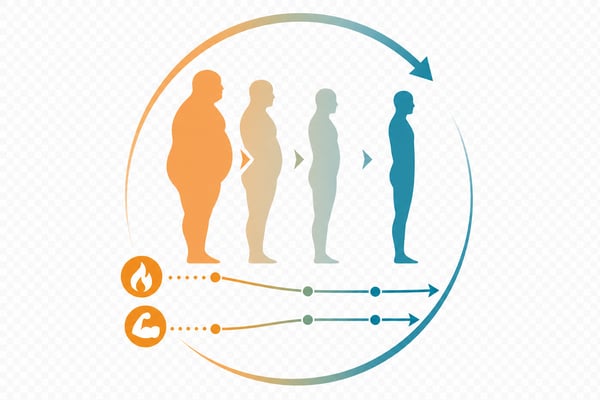
Do you find yourself trying one diet after another, only to end up feeling worse than when you started? You're not alone. Many Australians experience the same frustration because most weight loss approaches treat your body as a simple calories-in, calories-out equation. The reality is far more complex. Your digestive health, emotional patterns, and daily habits all shape how your body responds to any wellness plan.
Personalised weight loss programs take a different approach. Rather than handing you a meal plan and hoping for the best, these programs consider the interconnected systems that influence your weight. me&my wellness helps Australians move from surviving to thriving through this kind of holistic, coaching-led approach that addresses nutrition, gut health, and mental wellbeing together.
This article explains why addressing all three pillars creates more sustainable outcomes than focusing on food alone.
Key Takeaways: How Personalised Weight Loss Programs Support Gut Health
- Personalised weight loss programs assess your individual metabolism, digestive function, and emotional patterns before creating a tailored plan.
- Your gut microbiome influences how you extract energy from food, store fat, and even what foods you crave throughout the day.
- Mental wellbeing affects eating behaviours, stress hormones, and your body's ability to maintain a healthy weight over time.
- me&my wellness integrates nutrition, neuroscience, and lifestyle medicine to address the root causes behind weight challenges for Australians.
- Addressing gut health alongside nutrition and mindset creates lasting results that generic diet programs cannot achieve.
Why Weight Loss Requires More Than Counting Calories
If weight management were as simple as eating less and moving more, diet programs would have much higher success rates. The truth is that your body operates through interconnected systems. What happens in your digestive tract affects your brain. Your stress levels influence your metabolism. Your sleep quality shapes your food choices the next day.
Traditional diet approaches ignore these connections. They treat your body as a machine rather than a living ecosystem. This is why so many people experience initial success followed by frustration when the weight returns.
Personalised programs recognise this complexity. They begin with assessment rather than assumption, examining how your unique biology responds to different foods, activities, and lifestyle factors. This approach respects the reality that two people eating identical meals can have vastly different outcomes.
How Your Gut Microbiome Influences Weight
Your gut microbiome consists of trillions of bacteria living in your digestive system. These organisms do far more than help digest food. They influence how many calories you absorb, how fat is stored, and even which foods you crave.
Research published in Nature in 2025 demonstrates that certain bacterial populations correlate with higher body weight, while others are associated with easier weight maintenance. Your microbiome composition may explain why some people gain weight easily while others remain lean eating similar foods.
This is where personalised approaches become valuable. By understanding your gut health status, practitioners can recommend specific dietary changes that support beneficial bacteria. These aren't random supplements or fad protocols. They're targeted interventions based on your individual needs.
What Shapes Your Microbiome Composition
Your gut bacteria respond to what you eat. Diets high in processed foods tend to reduce microbial diversity, while plant-rich diets support a more varied bacterial ecosystem. Fibre plays a particularly important role because your gut bacteria ferment it to produce compounds that support metabolism.
Stress also affects your microbiome. Chronic stress alters bacterial populations and increases intestinal permeability, sometimes called leaky gut. This creates inflammation that can interfere with weight management efforts.
me&my wellness addresses these factors through personalised nutrition and lifestyle interventions. Rather than treating gut health as separate from your weight goals, the two are addressed together.
The Connection Between Your Gut and Brain
Your digestive system communicates directly with your brain through what researchers call the gut-brain axis. The bacteria in your gut produce neurotransmitters that influence mood, including serotonin. This means digestive health can affect emotional eating patterns.
A 2026 review in Translational Psychiatry examined the mechanistic pathways linking gut microbiome alterations to mood and behaviour. The research highlighted immune signaling, neuroendocrine regulation, and neural communication through vagal pathways as key connections between gut and brain function.
When your gut health improves, you may notice reduced cravings and more stable moods. This emotional steadiness makes following healthy habits easier because you're not fighting against constant urges to eat for comfort.
Why Emotional Eating Undermines Weight Loss
Emotional eating is common because food genuinely does deliver temporary comfort. The problem is that it doesn't address the underlying cause of distress. Often, it creates additional anxiety about eating choices, setting up a frustrating cycle.
Addressing gut health can reduce some of the biological drivers behind emotional eating. When your microbiome supports stable neurotransmitter production, the intensity of food-related emotional responses often decreases.
This doesn't mean willpower becomes unnecessary. It means you're no longer fighting against your own biology quite so hard.
How Mental Wellbeing Affects Your Weight
Your mental state influences your weight through several pathways. Stress triggers cortisol release, and chronically elevated cortisol promotes fat storage, particularly around the midsection. Poor sleep disrupts hormones that regulate hunger and fullness. Anxiety can drive both overeating and undereating, depending on the person.
Personalised programs that address mental wellbeing recognise these connections. Rather than treating psychological factors as separate from physical health, they're integrated into the overall approach.
me&my wellness offers coaching for mental health, anxiety, and low mood using nutrition, neuroscience, and mindset techniques. This creates more complete support for weight loss goals than focusing on diet alone.
Building Emotional Resilience for Lasting Change
Emotional fitness involves training your mind much like physical fitness trains your body. Activities like mindfulness, journaling, and cognitive exercises help you respond to stress without automatically reaching for food.
Behaviour change coaching helps you understand why you eat, not just what you eat. Do you reach for snacks when stressed? Eat past fullness because of old habits? Understanding these patterns without judgment creates space for new approaches.
A skilled coach helps you identify triggers and experiment with alternatives. When stress arises, what else might help? When emotions feel intense, what other outlets exist? These skills stay with you long after any formal program ends.
What Makes Personalised Nutrition Different
Personalised nutrition planning starts with understanding where you are right now. This means looking beyond your weight to examine eating patterns, food preferences, metabolic health, digestive function, and nutritional deficiencies.
Your dietary habits come under review not to judge but to understand. What do you typically eat? When? Why? Understanding current patterns reveals where changes will have the most impact for your particular situation.
me&my wellness takes this further by integrating testing that screens for environmental toxins, gut health markers, and metabolic indicators. This data creates a complete picture of what's happening inside your body rather than guessing based on general principles.
Creating an Eating Plan You Can Actually Follow
Once assessment is complete, your nutrition plan takes shape around your specific needs. If you have digestive issues, foods that support gut healing become priorities. If hormonal imbalances affect your weight, nutritional strategies that support hormone regulation get built in.
Your preferences and lifestyle constraints matter here. If you dislike cooking, your plan will include simple, quick-preparation options. If you love certain foods, your plan will find ways to include them while still supporting your goals.
This isn't about perfection. It's about creating eating patterns you can actually maintain. The goal is building nutritional habits that serve your health for years, not weeks.
How Lifestyle Coaching Creates Sustainable Results
Your eating habits don't exist in isolation. Sleep quality, stress levels, physical activity, relationships, and work demands all influence your weight and your ability to change it.
Lifestyle coaching takes this interconnected view. Instead of treating nutrition as separate from the rest of your life, it weaves healthy eating into your existing routines and addresses the factors that make maintaining habits difficult.
For those with physically demanding jobs like builders or nurses, recovery and restoration might take priority over adding more exercise. For desk workers, incorporating movement throughout the day may matter more than gym sessions.
The Sleep-Weight Connection
Poor sleep disrupts hormones that regulate hunger and fullness. After a bad night, you're more likely to crave high-calorie foods and less likely to feel satisfied after eating. Your capacity for making good decisions is also depleted when you're tired.
A personalised program considers your sleep patterns as part of your weight loss strategy. If sleep is an issue, addressing it becomes part of the plan rather than an afterthought.
This might involve examining your evening routines, screen time habits, caffeine intake, or underlying conditions affecting sleep quality. Small adjustments here often produce significant improvements in both energy and weight management.
What to Expect From a Personalised Program
If you're considering a personalised approach, knowing what to expect helps you engage fully. Sessions typically combine education, strategy development, accountability, and emotional support.
Your first session establishes where you are and where you want to go. Expect questions about your health history, previous weight loss attempts, current eating and activity patterns, and what's motivated you to seek support now.
This isn't an interrogation. It's a conversation designed to understand your unique situation. The more honest you can be about what hasn't worked before and what obstacles you face, the better your program can address those specific challenges.
Ongoing Support and Adjustment
Regular sessions create accountability and allow for real-time problem-solving. You'll discuss what's working, what isn't, and what obstacles have emerged.
Your coach helps you troubleshoot challenges as they arise. Travelling for work next week? You'll strategise how to maintain your habits on the road. Family event coming up? You'll develop a plan that lets you participate without derailing progress.
This ongoing relationship distinguishes personalised programs from downloaded meal plans or generic diet books. You have a partner adjusting alongside you, not just instructions you received months ago.
Why Addressing Root Causes Matters
A holistic approach asks why you're experiencing weight challenges, not just what to do about them. If hormonal imbalances are driving fat storage, calorie cutting alone won't fully address the issue without also addressing the hormones.
This investigation sometimes reveals underlying conditions that need attention. Thyroid function, cortisol levels, insulin sensitivity, and inflammatory markers can all be assessed and addressed as part of your personalised program.
me&my wellness offers holistic wellness plans grounded in nutrition and lifestyle that focus on root causes and long-term results. This means looking beyond symptoms to understand what's actually happening in your body.
Integrating Multiple Approaches
Rather than nutrition alone, holistic programs combine several approaches. Nutrition optimisation might be paired with stress management techniques, sleep improvement strategies, movement guidance, and mindset work.
These elements reinforce each other. Better sleep improves your food choices. Reduced stress decreases cortisol-driven fat storage. Improved nutrition supports energy for movement. Movement enhances sleep quality. Each piece amplifies the others.
Choosing the Right Approach for You
Not all wellness programs are equally effective. When evaluating your options, look for practitioners with relevant qualifications in nutrition, health coaching, or lifestyle medicine. Understanding of behavioural change principles matters as much as nutritional knowledge.
The approach should be evidence-based while remaining flexible. Rigid protocols that don't adapt to your responses aren't truly personalised. Science-backed methods applied with attention to your individual circumstances represent the ideal balance.
Be cautious of programs promising rapid results or requiring extreme restriction. These approaches rarely create lasting change and often trigger metabolic adaptations that make weight regain likely.
Taking Your First Step
Starting a personalised wellness journey begins with acknowledging that what you've tried before didn't fail because of you. It failed because it wasn't designed for you. Your body, your life, and your circumstances are unique.
A personalised approach honours that uniqueness. Instead of forcing yourself into someone else's framework, you work with practitioners who meet you where you are and build from there.
If you're ready to explore what a holistic approach might look like for you, me&my wellness offers a free consultation to start your journey toward a healthier, more balanced life. This conversation helps determine whether the approach aligns with your needs and goals.
FAQs about Personalised Weight Loss Programs and Gut Health
How does gut health affect weight loss?
Your gut microbiome influences how many calories you absorb from food, how fat is stored, and what foods you crave. Beneficial bacteria help maintain a healthy metabolism. me&my wellness addresses gut health as part of personalised weight loss programs because improving your microbiome often makes weight management easier.
Can improving mental wellbeing help with weight loss?
Mental wellbeing affects weight through several pathways including stress hormones, emotional eating patterns, and sleep quality. me&my wellness integrates mental health support with nutrition coaching, helping you develop healthier responses to stress that don't involve food.
What is the gut-brain axis?
The gut-brain axis describes the communication system between your digestive tract and brain. Your gut bacteria produce neurotransmitters that influence mood and behaviour. me&my wellness considers this connection when designing personalised programs because gut health improvements often support better emotional stability.
How long does it take to see results from personalised programs?
Most people notice improved energy, sleep, and digestion before significant weight changes. me&my wellness focuses on sustainable progress, which typically shows measurable results after several weeks of consistent implementation. Lasting change takes longer than crash diets but creates more stable outcomes.
Do personalised programs work for people with digestive issues?
Personalised programs are especially valuable when digestive issues complicate weight management. me&my wellness offers targeted support for gut health through personalised nutrition and lifestyle interventions, addressing these concerns as part of your overall wellness plan.
What makes me&my wellness different from other programs?
me&my wellness combines the latest research in nutrition, neuroscience, sleep, and lifestyle medicine with behavioural change and mindset coaching. Rather than offering generic meal plans, the approach addresses root causes and creates personalised strategies that fit your unique circumstances and lifestyle.
.png?width=600&name=Ep.%20302%20-%20Hyperbaric%20Healing%20with%20HBOT%20Expert%20Nicole%20Garrett%20(YouTube).png)