
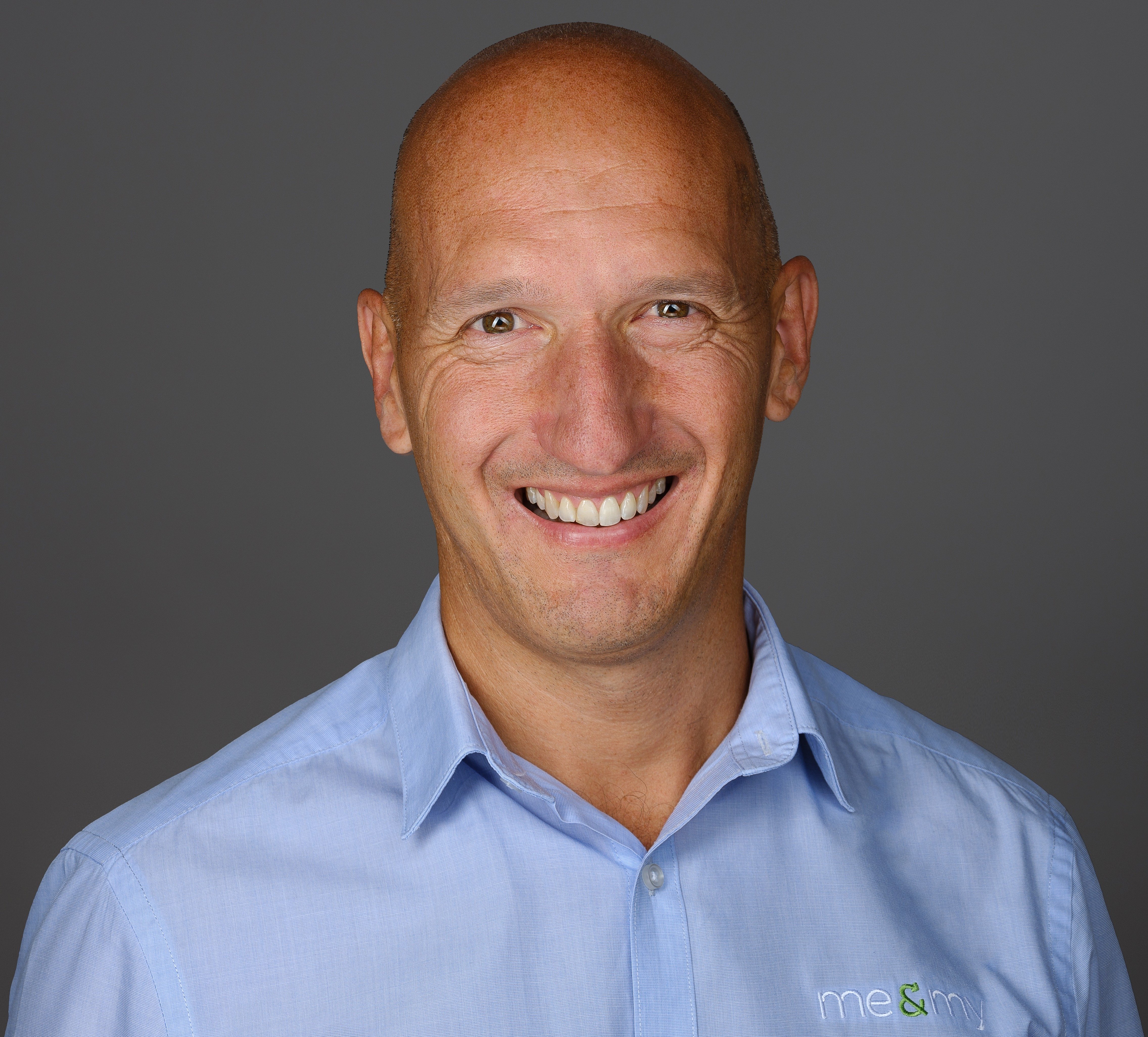
Mike Lea says his turning point came from one idea: everything happens for a reason. When he applied it to his own anxiety and low mood, they stopped looking like a random fault in his brain. They became something with causes, and causes can be understood and changed. Mike, the founder of Mindset Labs, shared his story, and his unusually relaxed approach to health, on the me&my health up podcast.
If this conversation raises anything difficult for you, please speak with your GP or a qualified mental health professional. In Australia, Lifeline is available on 13 11 14.
From a very dark place to a new lens
Mike was open about where he started. About five years ago he was lost, anxious and stressed, and he describes his thinking at the time as dark. He heard about a John Demartini seminar and treated that weekend as a line in the sand: either he would learn to understand his mind, or things could not carry on as they were.
The weekend made things click for him, and he spent the next nine months working to fix his own mind. Once his life was back on track, he realised the same tools could help the people around him. That became his work today.
The three loops behind his spiral
Mike did not land on a single cause. He could name several, and he calls them loops:
- Money. He had been through a crypto bull run, made a lot of money and then lost it. He kept comparing his life with the money he used to have and telling himself he would be happy if he had it back.
- Relationship. After a breakup he created a story that he needed a relationship to be happy again.
- The anxiety itself. The anxiety scared him, and he became so attached to not feeling anxious that he tried hard to be happy. The effort made him sad again and again.
Host Anthony Hartcher noted that none of this is unusual. Many of us believe money, or the right person, will fix everything. Mike likens it to roaming the house looking for your glasses, only to find they were on your head the whole time.
Start with your values, not someone else's goals
Mike works with two kinds of people. Some are doing well but know they are capable of more, and others are struggling with anxiety or ADHD and have not made the progress they hoped for through conventional routes. For both groups he starts in the same place: getting clear on their values.
By values, Mike does not mean character traits such as honesty, joy or peace. Those are great to have, he says, but they don't tell you what makes a person tick. Instead he asks what you love to talk about, what you spontaneously show up to do, what you are happy to spend money on, and what you constantly think about. Your life already demonstrates your values, he explains, so the exercise is to see what it shows rather than what society says it should.
Anthony shared his own experience here. After an Anthony Robbins weekend he set a vision of building a business listed on the stock exchange and then did nothing about it, because the goal was never really his. Mike's reply was that if you are not chasing what you actually want, of course you procrastinate and burn out, and then you beat yourself up for failing at someone else's goal.
A simple exercise: look at who inspires you
Mike also uses a variation of the Demartini value determination process. One part of it is to list the people you most look up to. His view is that the people who inspire you reflect the greatest versions of yourself, so understanding why they matter to you tells you something about your own values. He named Plato, Socrates and Diogenes among his own, along with characters like Ted Lasso, and he loves the show Welcome to Wrexham for what it says about how love poured into a community can ripple outward.
Worthiness first, vision second
Once values are clear, Mike helps people map the life they want. That is usually where fears and self-doubt appear, such as feeling unworthy of a big vision. He does not follow a fixed script. He talks it through until the person sees they are capable and worthy, and then, in his words, the vision tends to emerge on its own.
A fluid approach to health
Mike is clear that he is not qualified in nutrition or movement, and he shares his habits as personal experience rather than advice. His guiding principle is Aristotle's idea of everything in moderation, and the same flexibility runs through how he looks after his body.
- Food. He eats closer to paleo than anything else, favours fresh ingredients and grass-fed beef, and avoids sauces when he doesn't know what is in them. He avoids extreme fads.
- Routines. He thinks routines work better spread across a week than repeated identically every day. If he has eaten a lot over a couple of days, he might do a short fast to balance it out. Waking at 6.30 works for some people, he says, but it is not a rule someone wrote down.
- Supplements. He generally prefers a good diet, though he recently started magnesium. Anthony agreed that over-farmed soils hold fewer minerals than they used to.
- Movement. Mike has tried the gym, calisthenics, yoga and a 12-month Ironman training block. Yoga is the one that made him feel best. He also tries to move through the day by walking everywhere, sitting on the floor and stretching, rather than working out for an hour and then sitting for the rest of the day.
- Training by feel. He planned none of his Ironman block in advance, because he can't know in January what his body will manage on the 22nd. Forcing a 30 km run on a bad morning is how injuries happen, he says.
His wider point is that wellness is not about performance or what anyone else thinks you should do. It is about how you feel in your own life, and there is a difference between fitness and health. He also sees people chasing longevity so rigidly that they forget to live. If you want to read more on that theme, see our article on why chasing longevity can backfire on your health.
Practical takeaways
- If a feeling keeps returning, get curious about what might be driving it before treating it as random.
- Notice where you are telling yourself "I'll be happy when...", whether that is money, a relationship or being free of anxiety.
- Look at where you spend your time, money and attention to see your real values, and ask who inspires you and why.
- Check whether your goals are your own or borrowed from someone else's expectations.
- Try spreading routines across the week, and let how you feel on the day guide how hard you push.
Connect with Mike Lea
Mike suggests reaching out on Instagram at mike.lea_, where he says he is happy to respond to messages. He is also developing an AI coach built from his philosophies and books, and he works with clients one-to-one. Books are in the works as well.
Where this fits in your wellbeing
This article is general information only and is not a substitute for medical or mental health care. If you would like support turning insights like these into a wellbeing plan that suits your life, you are welcome to book a free 15-minute clarity call with me&my wellness.