
.png?width=1280&height=720&name=Ep.%20304%20-%20The%20Pause%20Explained%20-%20The%20Midlife%20Shift%20with%20Dr.%20Sofia%20Din%20(YouTube).png)
For centuries, humans rarely lived long enough to face the hormonal transitions of menopause and andropause. But modern medicine has changed that—doubling lifespans and revealing a new challenge: staying healthy through the decades that follow.
Dr. Sofia Din calls this stage “the pause”—a biological slowdown that affects every system in the body. It’s not just about hormones; it’s about how we age, adapt, and thrive. This blog explores how to move from pause back into flow, aligning your healthspan with your lifespan so you can live longer and better.
Watch the full podcast episode here:
What is ‘the pause’ and why it’s a new problem in human history
The pause describes the pre‑programmed slowdowns of menopause and andropause, when hormones decline and many body systems shift from growth to maintenance. Because modern medicine has roughly doubled human lifespan, more of us now live decades beyond these pauses, exposing a big gap between how long we live and how long we stay healthy.
For most of human history, people rarely lived long past their 40s or 50s. Historical estimates suggest average life expectancy in the early 1800s was under 40 years in many countries, largely due to infections, poor sanitation, and lack of medical care. Today, in places like the U.S. and Australia, average lifespan is around 80 years. That means millions of people are now spending 20–30 years in a post‑reproductive, hormonally altered state that our ancestors almost never experienced.
Researchers call the difference between years lived and years lived in good health the healthspan–lifespan gap. A Time magazine report noted that while U.S. life expectancy is about 76 years, healthy life expectancy is closer to the mid‑60s. Similarly, one women’s health expert reports that women average 81 years of life but only about 63 of those years are vibrant and disease‑free. This 15–20‑year gap is where the suffering of unmanaged pause often sits.
Dr. Din’s core message is that simply extending lifespan is not enough. If the final decades are marked by frailty, multiple medications, hospital admissions and loss of independence, we have missed the point of longevity. The real goal is to lift the body out of the pause—to restore as much metabolic, cognitive and emotional flow as possible—so your healthspan tracks much more closely with your lifespan.
This requires a mindset shift. Health is not something your insurance company “handles” when you get sick. Just as car insurance only pays out after a crash, health insurance mainly funds disease management, not prevention. Protecting your future self means choosing daily habits, and sometimes paying out‑of‑pocket for proactive care, long before breakdown occurs.
How menopause and andropause impact your whole body and daily life
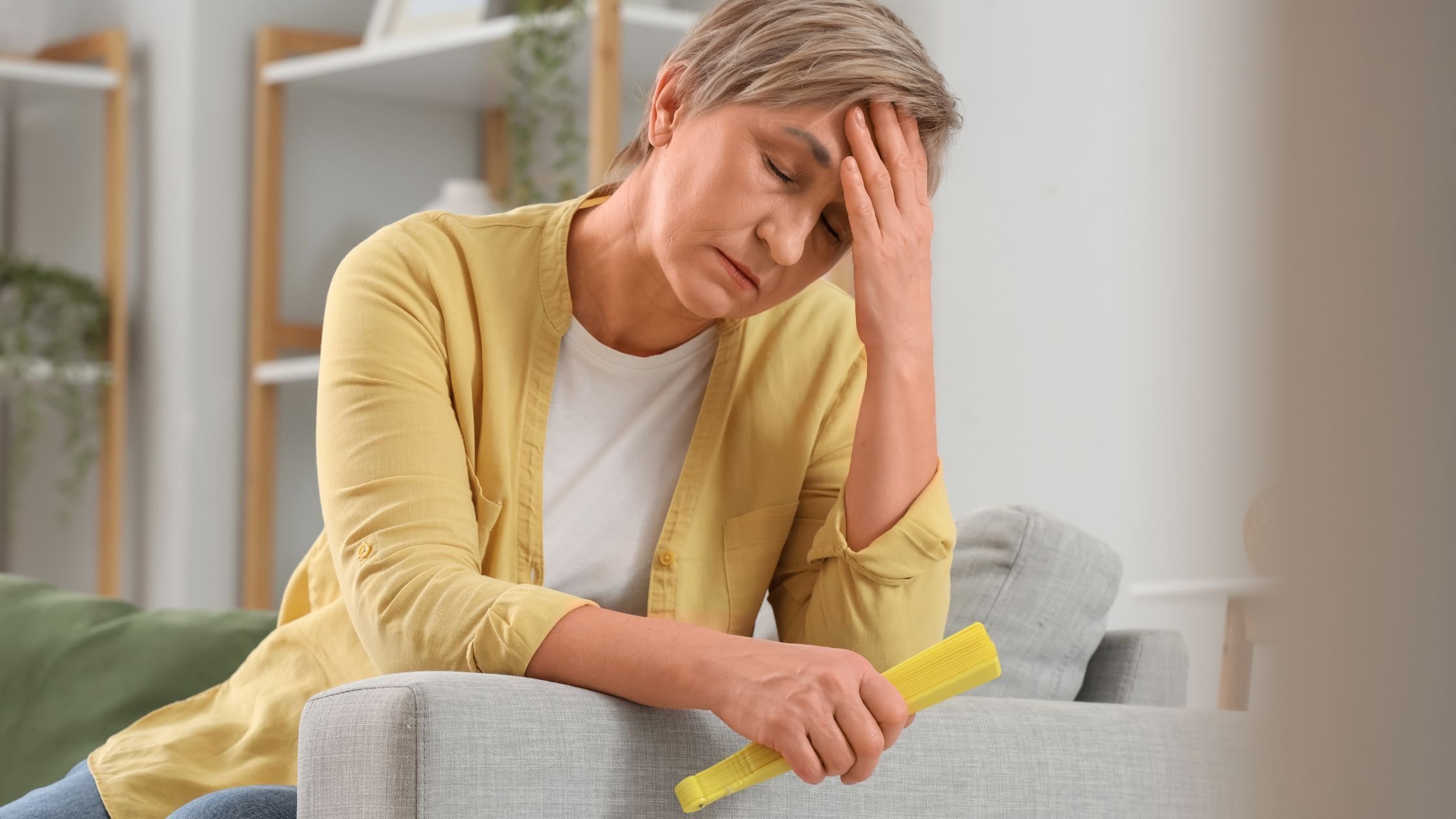
Menopause and andropause are whole‑body transitions, not just changes in sex hormones. As estrogen or testosterone decline, nearly every system—from brain and muscles to skin and immune function—feels the shift. Understanding this broader picture helps you stop blaming yourself and start targeting the right levers.
In women, perimenopause often begins in the 40s and can last up to 10 years. Irregular periods, heavy or erratic bleeding, weight fluctuations, mood swings, brain fog and sleep disruption are common. Officially, menopause is diagnosed after 12 consecutive months without a period. But the medical model often treats it as if only the ovaries retired and everything else is “business as usual.” The reality is closer to an all‑systems pause.
Estrogen receptors sit in the brain, heart, bones, muscles, skin and immune cells. As estrogen falls, women face faster bone loss, rising cholesterol, more joint pains, changes in body fat, and sometimes increased risk of autoimmune conditions or certain cancers. One longevity‑focused clinic notes that cardiovascular risk climbs sharply after menopause because losing estrogen shifts lipid profiles and blood vessel function.
Men, by contrast, often slip into andropause quietly. There is no clear marker like the last period, so their pause is easy to overlook. Subtle clues include persistent fatigue, a growing belly “pooch,” reduced muscle mass, low mood, lower libido, erectile changes or frequent night‑time urination. Blood tests may show low testosterone and unfavourable cholesterol patterns, but many men are simply given pills for each symptom rather than having the underlying hormonal picture assessed.
This mismatch between symptoms and explanations can be deeply invalidating. Women are told “it’s just stress” or “this is normal for your age.” Men are shuttled between specialists for prostate, cholesterol or mood, without anyone naming andropause. Meanwhile, couples may struggle with intimacy, energy, and communication, unaware that a shared biological transition is amplifying the strain.
By reframing the pause as a predictable, whole‑body event coded into our biology—and made more visible because we now live much longer—you can approach it proactively. The question shifts from “What’s wrong with me?” to “What does my body need to keep functioning well in this new phase?”
Foundations of lifestyle medicine to move from pause to healthy flow

You cannot outsource the foundations of health. Even the best specialist, infusion or prescription will fail if it sits on a fragile base. Lifestyle medicine gives you daily tools to keep your body in flow through the pause.
Diet is the most obvious starting point, yet also the easiest to rationalize away. Ultra‑processed foods, excess sugar and poor‑quality fats push blood sugar and inflammation up—two drivers of accelerated aging. Large reviews on women in midlife show that higher intake of whole foods, fibre, omega‑3 fats and adequate protein is associated with fewer vasomotor symptoms, better weight control and lower risk of cardiovascular disease.
Movement is the second pillar. As hormones decline, both men and women naturally lose muscle and bone. Without resistance training, that loss can be steep, increasing falls, fractures and insulin resistance. Short, consistent strength sessions (even 2–3 times per week with bodyweight or light weights) send a powerful “stay strong” signal to muscles and bones. Brisk walking, cycling or swimming support cardiovascular health and mood.
Sleep often unravels during perimenopause and andropause. Night sweats, anxiety and nocturia (frequent night urination) are common complaints. Yet poor sleep further disrupts hormones that regulate appetite, stress and blood sugar. Simple routines—consistent bed and wake times, a dark cool bedroom, reducing screens and heavy meals late at night—can improve sleep depth. Some people also benefit from magnesium or guided relaxation practices.
Stress management is not a luxury add‑on. Chronic stress pushes cortisol up, worsens hot flashes, elevates blood pressure and encourages abdominal fat gain. Mind‑body tools such as breathwork, meditation, yoga, or even a 5‑minute daily “pause walk” without your phone help reset the nervous system. Several studies show that mindfulness‑based programs in midlife women reduce perceived stress and improve sleep and mood.
Finally, boundaries with toxic inputs—both substances and relationships—are essential. Your body already feels like its check‑engine light is on. Continually adding alcohol, nicotine, ultra‑processed snacks or constant exposure to draining people makes it much harder to recover a sense of ease and vitality.
Medical and regenerative options: hormones, infusions and peptides
For many people, lifestyle changes alone are not enough to fully reverse pause‑related symptoms. Medical and regenerative tools can play a powerful supporting role when used thoughtfully and under qualified supervision.
Hormone replacement therapy (HRT) is the most discussed option for women. For years, fear around HRT dominated public conversation, driven largely by early interpretations of the Women’s Health Initiative study. More recent analyses and regulatory updates have softened those warnings, particularly for healthy women within 10 years of menopause who use modern, lower‑dose or body‑identical preparations. In the U.S., the FDA has removed some of the strictest boxed warnings, opening the door for more individualized discussions.
When appropriately prescribed, estrogen (often with progesterone) can ease hot flashes, improve sleep, support bone density and positively influence mood. Some women also benefit from low‑dose testosterone for libido and energy. Decisions are highly personal and should weigh family history, cardiovascular risk, and cancer risk together with quality‑of‑life concerns.
Men with andropause symptoms may be candidates for testosterone optimization, but this should never be a quick, one‑number decision. A comprehensive approach includes full hormone panels, evaluation of sleep (especially sleep apnea), metabolic markers, and prostate health. Sadly, many primary‑care settings are not yet set up for nuanced andropause care, so finding a clinician experienced in men’s health and longevity medicine is key.
Dr. Din also highlights intravenous nutrient infusions—what she calls an “oil change” for the body. Hospitals routinely use IV fluids and medications to rapidly stabilize acutely ill patients; there is robust evidence that IV hydration and carefully chosen drugs reach target tissues faster than oral routes. In wellness settings, nutrient IVs aim to bypass an aging, selective gut barrier and temporarily saturate tissues with vitamins, minerals and antioxidants.
Evidence for routine, long‑term IV nutrient therapy in healthy people is still emerging, and it is generally an out‑of‑pocket expense. However, for some individuals with documented deficiencies, poor absorption or very high demand (for example, after surgery or intense training), supervised infusions can be part of a broader plan.
Finally, peptides such as GLP‑1 agonists—semaglutide and tirzepatide, branded as Ozempic, Wegovy, Mounjaro or Zepbound—have moved from fringe to mainstream. Originally developed for diabetes, they help regulate blood sugar and often lead to significant weight loss. Research shows they can reduce cardiovascular risk in people with obesity and metabolic disease. Dr. Din views them as potential health promoters when used within a structured program that also addresses diet, muscle maintenance and mental health.
Rethinking alcohol and emotional coping through the pause
Alcohol is a common but costly self‑medication during the pause. Many women increase drinking in perimenopause to blunt anxiety, poor sleep or a sense of loss of control. Yet the very symptoms they’re trying to escape often worsen.
A narrative review in a medical journal on alcohol use at midlife notes that hormonal shifts can increase women’s sensitivity to alcohol’s effects, including disrupted sleep, hot flashes, and mood instability. Another perimenopause‑focused resource reports that over 80% of women experience symptoms like hot flushes, night sweats and anxiety—and that alcohol frequently amplifies these issues rather than easing them.
Dr. Din describes anxiety during the pause as a check‑engine light on the dashboard. Your body is trying to signal that something is off—nutrient depletion, hormonal change, lack of recovery. Using alcohol is like putting duct tape over the warning light instead of opening the hood. In the short term, it may create a numbing haze. In the medium term, it often leads to weight gain, poorer sleep, increased inflammation and higher risk of dependency.
Safer alternatives depend on the root issue. If pain or sleep is the primary driver, evidence‑based options might include magnesium, cognitive‑behavioural strategies for insomnia, tailored exercise, or in some regions, carefully dosed medical cannabis under supervision, which acts on the body’s endocannabinoid system. For psychological distress, therapies such as CBT, acceptance‑and‑commitment therapy, or group support programs for midlife women can address the deeper fears about aging, identity and relationships.
On the biological side, balancing hormones, correcting nutrient deficiencies, and supporting gut health can significantly reduce the background level of “static” in the nervous system. It is often only after stabilizing these foundations that people realize how much alcohol was masking unresolved needs for rest, connection, purpose or creative expression.
The key is not moralizing alcohol, but recognizing its true cost during a period when your body is already navigating major change. Choosing different coping tools is an act of self‑protection, not deprivation.
Building your personal longevity plan and next best steps

Longevity is less about chasing eternal youth and more about protecting your future agency. Dr. Din’s dream is of an 80‑year‑old who finally understands their life purpose—and still has the strength, clarity and mobility to act on it. That is the promise of aligning healthspan with lifespan.
Creating your personal plan starts with honest observation. Your “bathroom mirror moments” are often the most truthful: noticing your energy on waking, the state of your skin, your digestion, your mood, and how your body feels after different foods, drinks or social interactions. From there, you can sketch three layers of action.
First, daily non‑negotiables: mostly real food, consistent movement that includes strength work, 7–9 hours in bed, time in natural light, practices that calm your nervous system, and boundaries with toxic substances and people. These are the equivalent of brushing and flossing for your whole body.
Second, seasonal or annual checks: blood work to track hormones, metabolic markers, lipids, inflammation and nutrient levels; bone‑density scans at the appropriate time; and at least one visit per year focused purely on prevention and optimization, not just on treating existing diagnoses.
Third, personalized interventions: this is where you and a trusted clinician can explore options like HRT, testosterone optimization, targeted IV therapies or peptides if they fit your risk profile and values. The goal is not to be on every new protocol, but to choose the smallest effective set of tools that help your body move from pause back into flow.
Finally, remember that you are not meant to navigate the pause alone. Education, community, and conversations with partners and families can transform what feels like a private struggle into a shared, supported transition. The earlier you start, the more likely it is that your 60s, 70s and 80s will be marked not by decline, but by the freedom to keep showing up fully for the life you choose.
Conclusion
The pause—whether menopause or andropause—is not a flaw in human biology but a new frontier created by our extended lifespans. As Dr. Sofia Din reminds us, longevity without vitality misses the point. Modern medicine may have doubled how long we live, but it’s our daily choices—nutrition, movement, sleep, stress management, and emotional awareness—that determine how well we live those extra decades.
By reframing the pause as a whole‑body transition rather than a decline, we open the door to proactive care: hormone optimization, nutrient support, and regenerative therapies that complement strong lifestyle foundations. The goal isn’t eternal youth—it’s sustained clarity, strength, and purpose.
Handled consciously, the pause becomes a gateway to renewal, not an ending. It’s the moment to align healthspan with lifespan—to keep your body, mind, and spirit in flow so that the wisdom of your years can be lived fully, vibrantly, and without compromise.
Enhance Your Wellness Journey with me&my wellness
At me&my wellness, we support you through menopause and andropause with personalised nutrition, movement, sleep and stress strategies. Our holistic health coaching helps you understand what your body needs in this new phase, so you can close the gap between lifespan and healthspan and keep living with energy and purpose.
Ready to build your own longevity plan? Book a 15-minute FREE consultation with us today. Together, we’ll explore strategies that resonate with your individual needs, fostering a balanced and fulfilling life.
.png?width=600&name=Ep.%20289%20-%20How%20I%20Healed%20Naturally%20with%20Hydrogen%20(Spotify).png)
.png?width=600&name=Ep.%20302%20-%20Hyperbaric%20Healing%20with%20HBOT%20Expert%20Nicole%20Garrett%20(YouTube).png)
.png?width=600&name=YouTube%20Thumbnail%20Metabolic%20Adaptation%20(Facebook%20Cover).png)