


Redefining Peace: The Peaceability Mindset with Professor Reba Parker
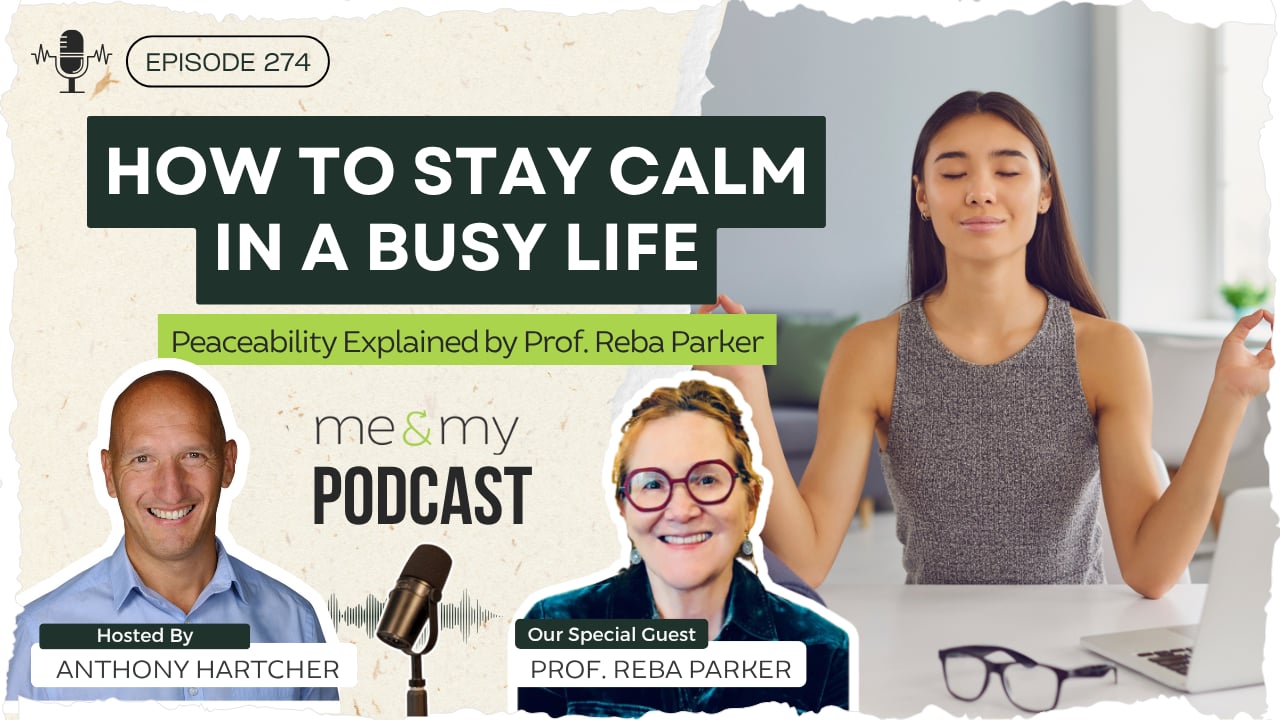
In a world that often feels chaotic and divided, have you ever wondered if true peace is achievable? What if peace could be viewed not just as an abstract concept but as a practical mindset that can be cultivated? In this enlightening discussion, Professor Reba Parker introduces the Peaceability Mindset, a transformative approach that integrates peace with ability and growth.
Watch the full video here:
The Disconnect with Peace
Drawing from her 16 years of teaching experience at the College of Charleston and The Citadel, Professor Parker reveals that many students associate the peace sign primarily with the 1960s counterculture, with 70% of them viewing it as a relic rather than a relevant symbol of practical peace. This highlights a significant disconnect in how peace is perceived today. Interestingly, the peace sign ranks as the third most recognisable symbol globally, following the Christian cross and the Red Cross, underscoring its cultural significance.
The Three Ingredients of Peace
To help her students understand the nature of peace, Professor Parker presents a framework known as the Three Ingredients of Peace:
- Safety: The foundation of peace, where individuals feel secure and protected. This inward sense of safety is essential for trusting relationships and personal well-being.
- Well-beingness: Moving beyond mere survival, this ingredient focuses on thriving and living to one’s fullest potential. It encompasses emotional and mental health, fostering a sense of fulfilment.
- Interconnectedness: Recognising that we are all part of a larger community, this ingredient emphasises the importance of relationships and connections with others.
These ingredients create a spectrum of peace, ranging from optimal peace to fragile peace, which can inform approaches to conflict resolution and personal development.
Practical Applications and Teaching Methods
Professor Parker outlines seven peaceability factors as practical tools for students to cultivate peace in their lives. One notable method is the Uncomfortable Place Experiment, where students engage with unfamiliar cultural groups to build empathy and understanding. This experiential learning approach breaks down barriers and fosters meaningful connections.
Additionally, she shares five steps to cultivate inner peace:
- Loving Yourself Deeply: Embracing self-acceptance and compassion.
- Connecting to Life: Engaging with the world around you, whether through nature, community, or personal passions.
- Practising Mindfulness: Being present in the moment to enhance awareness and reduce stress.
- Giving and Serving: Focusing on the needs of others can lead to personal fulfilment.
- Body Image and Self-Acceptance: Understanding that inner peace requires active work on self-perception and acceptance.
The Call to Action
As the discussion concludes, Professor Parker issues a challenge to reframe personal perspectives on peace, emphasising its practicality and relevance in everyday life. She encourages individuals to assess their personal peace levels across various life areas and to adopt consistent mindfulness and nonviolent communication practices.
With her book, The Peace Ability Mindset, Professor Parker aims to make these concepts accessible to a broader audience, providing a comprehensive approach to peace education.
Conclusion
The Peaceability Mindset offers a refreshing perspective on peace, transforming it from an abstract ideal into a tangible and actionable framework. By understanding and integrating the three essential ingredients of peace—safety, well-beingness, and interconnectedness—individuals can cultivate a more harmonious life. As we navigate the complexities of our modern world, embracing this mindset can lead to profound personal growth and a deeper connection with others.
Explore these concepts further and consider how you can implement them in your own life to foster peace and understanding in your community.
Embrace a Holistic Approach with me&my wellness
At me&my wellness, we advocate for a holistic approach to health that harmonises mind, body, and spirit. Our holistic health coaching aims to address challenges, promoting healing on emotional and physical levels. We provide personalised strategies such as stress management, emotional healing, and guidance in balanced nutrition and lifestyle adjustments.
By focusing on a comprehensive approach, we empower you to reclaim your health and well being. Ready to transform your wellness journey? Book a 15-minute FREE consultation with us today and take the first step towards a healthier, more balanced life.